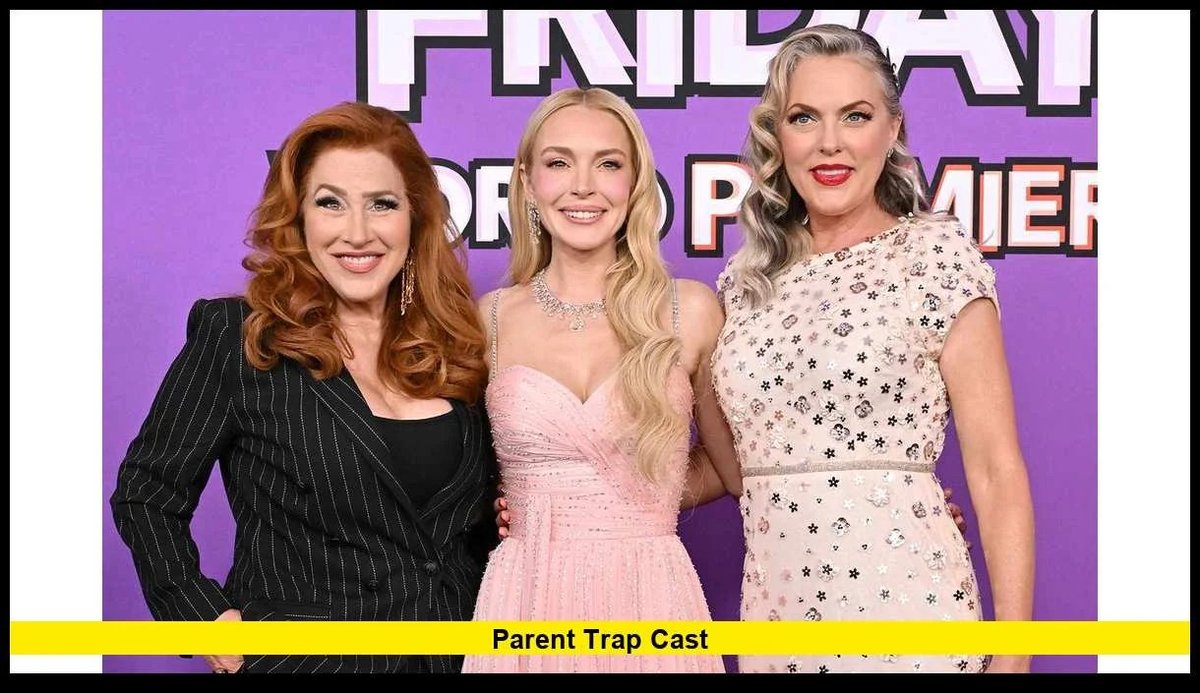
The chiming opening notes of "L-O-V-E" or the whimsical strains of "Let's Get Together" immediately transport you to a world of summer camps, mischievous plots, and a long-lost sister. Few films have captured the hearts of generations quite like The Parent Trap, not once, but twice. For fans, these movies are more than just stories; they're cultural touchstones, sparking curiosity about the magic behind their creation. Delving into Interviews and Cast Reflections on The Parent Trap Experience reveals a fascinating journey of cinematic innovation, comedic timing, and the formation of unexpected "second families."
From the groundbreaking analog techniques of the 1961 original starring Hayley Mills to the digital wizardry of Nancy Meyers’ 1998 remake featuring Lindsay Lohan, the stories behind the cameras are as captivating as the films themselves. What went into making one actress convincingly play twins? How did a major studio pull off elaborate visual effects long before CGI was commonplace? And what was it really like for the casts and crews, enduring weeks of meticulous filming, often under challenging circumstances, to bring these beloved tales to life? Prepare to unearth the secrets, the laughs, and the enduring bonds that forged two cinematic classics.
At a Glance: Behind the Scenes of The Parent Trap
- 1998 Remake's Pool Scene: Director Nancy Meyers orchestrated a complex, multi-day shoot for the iconic pool fall, featuring Dennis Quaid repeatedly drenching himself in an Armani suit and Simon Kunz reluctantly donning a Speedo.
- Early VFX Challenges (1998): The remake extensively used new motion control technology for its twin effect, demanding precise, repetitive performances from Lindsay Lohan and meticulous work from visual effects teams and script supervisors.
- Hayley Mills' Dual Role (1961): The original pioneered analog split-screen and double exposure techniques, requiring extreme precision in acting, camera work, and lighting to create the illusion of twin sisters.
- Director's Vision: Both films benefited from directors (David Swift in 1961, Nancy Meyers in 1998) who masterfully blended humor, heartfelt emotion, and technical ingenuity.
- Lasting Impact: The films created a "second family" bond for many cast members and left an indelible mark on their respective filming locations and on popular culture.
- Filmmaking Lessons: Both productions offer invaluable insights into casting, location scouting, visual effects, and music integration for ambitious projects.
The Magic Behind the Mirrors: A Tale of Two Parent Traps
The premise is deceptively simple: two identical twin sisters, separated at birth by their divorcing parents, accidentally meet at summer camp and conspire to reunite their family. This heartwarming and hilarious concept, born from Erich Kästner’s 1949 novel Lottie and Lisa, has proven so potent that it inspired two highly successful Hollywood adaptations. Each film, while telling the same core story, stands as a testament to its era's filmmaking capabilities and offers unique insights into the creative process.
The 1961 original, a Walt Disney Productions venture, introduced Hayley Mills to global stardom, showcasing her incredible talent in a dual role that pushed the boundaries of cinematic illusion for its time. Decades later, the 1998 remake, directed by Nancy Meyers, brought the story to a new generation with an updated sensibility, stunning visual effects, and a breakout performance from a young Lindsay Lohan.
Through extensive interviews and cast reflections, we can peel back the layers of these productions, understanding not just what was filmed, but how it was filmed, and the human experiences that shaped these enduring classics.
1998 Remake: The Immersive World of Hallie & Annie
When Nancy Meyers and Charles Shyer embarked on the 1998 remake of The Parent Trap, they weren't just updating a story; they were reinventing a classic for a modern audience, leveraging advancements in filmmaking technology and infusing it with their signature blend of wit and warmth. The result was a film celebrated for its charm, its iconic scenes, and the incredible performances of its cast.
The Infamous Pool Scene: A Deep Dive into Production Challenges
Perhaps no single sequence from the 1998 remake is recalled with as much delight and detail by cast and crew as the pivotal pool scene. Filmed over multiple arduous days at the luxurious Ritz-Carlton in Marina del Rey, this scene encapsulated the film’s blend of comedy, romance, and meticulous craftsmanship.
Dennis Quaid, playing Nick Parker, famously had to repeatedly fall into the pool. This wasn't a one-and-done take; according to reflections from the set, Quaid endured four days of repeated plunges, always in a pristine Armani suit. The production was so committed to continuity and style that six identical Armani suits were acquired. Despite initial fabric tests, the chlorine-rich pool water caused shrinkage, necessitating daily dry-cleaning and a constant rotation of suits to maintain Nick's impeccable, if temporarily soaked, appearance. Quaid’s dedication to this physical comedy was a cornerstone of his portrayal of the doting, somewhat oblivious dad.
Director Nancy Meyers had a keen eye for detail, even when it came to a simple expression. During the outdoor filming, Director of Photography Dean Cundey offered a genius tip to Lindsay Lohan, who played both twins: to avoid squinting into the bright California sun, she should close her eyes for a full minute before turning to face the camera. This small trick ensured her expressions remained natural and unblemished by discomfort, a testament to the collaborative problem-solving on set.
The scene also features the memorable sight of Simon Kunz as Martin, Nick’s dapper butler, reluctantly stripped down to a tiny Speedo. Kunz was initially hesitant about the revealing swimwear, but Meyers, understanding the comedic gold it offered, persuaded him. It became an instantly iconic visual gag, perfectly punctuating the chaos of Nick’s unexpected aquatic entrance. Lisa Ann Walter, who played Chessy, Nick's housekeeper, recalls developing strong on-set chemistry with Kunz, which undoubtedly enhanced their characters’ charming flirtation. Meyers' directorial style, characterized by an openness to improvisation, also shone through. Quaid’s line, "you're all wet," delivered with charming exasperation, and Kunz’s improvised snap of a photo of a dripping Quaid, were both encouraged and embraced by Meyers, adding spontaneity and genuine humor to the scene.
Today, the Ritz-Carlton in Marina del Rey proudly reports that the Parent Trap pool scene remains its most-mentioned filming experience by guests, a constant reminder of the film's enduring appeal. It even inspired renovation plans for the hotel, demonstrating the tangible legacy of the production.
Technological Marvels and Continuity Nightmares
Bringing the illusion of identical twins to the big screen, particularly with two actors, was a monumental task for the 1998 remake. Director Nancy Meyers’ directorial debut extensively utilized new motion control technology, a significant leap from the analog methods of the past. This involved computerized camera movement replication, ensuring that shots could be precisely repeated for each twin’s performance. Lindsay Lohan and Elaine Hendrix, playing Meredith Blake, had to repeat lines and reactions with exacting precision, often multiple times, to allow for seamless compositing in post-production. The demand for perfection was immense. To learn more about the actress behind one of the film's most memorable characters, you might explore All about Elaine Hendrixs Parent Trap.
Visual effects producer Gayle Busby oversaw seven on-site technicians, who meticulously supervised the compositing shots. Each scene featuring both twins was a puzzle of timing, performance, and technical wizardry. Script supervisor Jeanne Byrd famously described the continuity challenge as a "nightmare," a testament to the intricate detail required to ensure that every hair, every prop, and every gesture matched perfectly across different takes. Yet, despite the technical hurdles, the illusion was remarkably effective, allowing audiences to suspend disbelief and fully invest in the story of Hallie and Annie. Meyers and Shyer considered Meredith's dramatic entrance, where she discovers the existence of two twins, to be one of their favorite scenes—a moment of pure comedic and narrative payoff.
Crafting Characters: From Script to Screen
The success of The Parent Trap remake wasn't just in its technical prowess; it was equally in the depth and charm of its characters. Casting director Ilene Starger highlighted Dennis Quaid's significant career shift with his role as Nick Parker. Previously known for more intense or heroic parts, Quaid embraced the doting dad persona with a natural warmth and vulnerability that endeared him to audiences. Charles Shyer, who produced the film and co-wrote the screenplay, brought his real-life parenting experiences to the character of Nick, infusing the role with an authentic understanding of fatherhood.
Composer Alan Silvestri, responsible for the film’s delightful score, noted that the pool fall was a recurring motif for Meyers and Shyer, akin to other comedic setups in films like Father of the Bride. This insight reveals the deliberate comedic rhythm woven into their storytelling, often involving physical gags that become hallmarks of their work.
Even the process of selecting filming locations was a familial affair. Production designer Dean Tavoularis led location scouting with family as part of the crew, creating a unique and intimate atmosphere during the early stages of production. This personal touch likely contributed to the film's warm, inviting aesthetic.
Perhaps the most poignant reflection comes from the enduring bonds forged on set. Lindsay Lohan, still a young actress at the time, found a "second family" in Nancy Meyers and Charles Shyer, a relationship that extended far beyond the wrap party. This fulfilling collaboration was a testament to Shyer's original hope that the film "could be one that lasts"—a hope that has undoubtedly been realized through its enduring success and continued resonance with audiences.
1961 Original: Pioneering the Dual Role with Hayley Mills
Long before digital effects made twin portrayals commonplace, the 1961 Walt Disney Productions' The Parent Trap broke new ground. Directed by David Swift, the film was a marvel of analog filmmaking, transforming Erich Kästner’s charming German novel Lottie and Lisa into an American classic.
The Genesis: From German Novel to Disney Classic
Erich Kästner’s 1949 novel, originally titled Das doppelte Lottchen, provided the blueprint for the story that would enchant millions. Walt Disney Productions saw the potential in this heartwarming tale of two girls, separated by divorce, who find each other and hatch a plan to reunite their parents. The adaptation carefully preserved the novel's blend of humor and emotional depth, transplanting its European sensibility into an American context. Filming primarily took place in California, with summer camp scenes shot amidst the natural beauty of Arrowhead and the Santa Monica Mountains. While "Boston" was mentioned as a symbolic stand-in for one parent's location, no actual filming occurred there, relying instead on clever set design and narrative framing to establish the different locales.
Analog Ingenuity: Crafting the Twin Illusion
The real triumph of the 1961 film lay in its innovative technical approach to portraying twin sisters played by a single actress, Hayley Mills. Director David Swift and his team mastered pioneering split-screen techniques and double exposure methods that were revolutionary for their time.
Hayley Mills had the immense challenge of playing both Susan and Sharon. This involved performing each twin's actions separately. Often, a stand-in (a body double, sometimes her real sister, to match height and build) would occupy the other twin's position during filming. This allowed Mills to interact with a physical presence, but the real magic happened in post-production. Camera angles, lighting, and Mills’s performances had to be incredibly precise and consistent from take to take. The film crew had to lock down the camera, shoot one side of the frame with Mills as one twin, then rewind the film, reposition Mills (and the stand-in) on the other side, and shoot again, often with a carefully masked portion of the lens.
This meticulous analog method demanded unparalleled craftsmanship. Any slight deviation in camera movement, lighting, or Mills’s performance would break the illusion. While these techniques had limitations, particularly with rapid movement or scenes requiring the twins to directly touch, the seamless alignment achieved in the final cut set a high precedent for future filmmaking. It was a testament to the ingenuity of a time when visual effects relied more on mechanical precision and human skill than on computer algorithms.
Thematic Heartbeat: Story, Song, and Direction
David Swift's directorial vision for the 1961 The Parent Trap was crucial in balancing its humor, heartfelt emotion, and the believable chemistry between the twin characters. He guided Hayley Mills through her demanding dual role, extracting performances that felt distinct yet connected. The supporting cast further solidified the film's emotional core, with memorable portrayals of the parents, Mitch and Maggie.
Central to the film’s charm was its iconic theme song, "Let’s Get Together." Performed by Hayley Mills herself and composed by Paul Smith, the song became synonymous with the film. Its whimsical melody, often featuring playful woodwinds and shimmering strings, perfectly anchored the soundtrack, shifting its tone for moments of sentimentality. The song wasn't just a catchy tune; it became an auditory leitmotif for the twins' burgeoning bond and their overarching plan, embedding itself firmly in the cultural consciousness of the era.
Beyond the Screen: Enduring Lessons for Storytellers and Filmmakers
Both versions of The Parent Trap offer more than just nostalgic entertainment; they provide a rich tapestry of lessons for aspiring filmmakers and storytellers. From casting intricacies to technical challenges, the insights from these productions are timeless.
Mastering the Dual Role: Casting and Performance
The primary challenge of The Parent Trap concept lies in casting a single actor in a dual role. The 1961 film, with Hayley Mills, and the 1998 remake, with Lindsay Lohan, each demonstrated different approaches to achieving a believable illusion.
- 1961 Insights (Hayley Mills): The original film proved the power of a singular, exceptionally talented actor. Mills’s ability to imbue each twin with distinct personality traits, combined with the stringent demands of split-screen filming, was paramount. Filmmakers can learn that deeply investing in an actor capable of carrying such a complex performance is crucial.
- 1998 Insights (Lindsay Lohan): Lohan, a child actor, brought incredible charm and versatility to both Hallie and Annie. Her performance, combined with advanced motion control technology, allowed for more dynamic interactions between the "twins." The lesson here is that while technology aids the illusion, the actor's performance remains the heart of the portrayal.
- Actionable Insights for Filmmakers (from 1961):
- Expand Talent Searches: Look beyond traditional avenues for actors capable of dual roles. Digital platforms and international networks can uncover unique talents.
- Invest in Training: For young actors, consider investing in specific training programs to help them develop the nuanced performances required for distinct characters within a single individual. This could involve character workshops or even early-stage motion control training.
Location, Location, Location: Setting the Scene
The choice of filming locations significantly impacts a film's aesthetic and mood. Both Parent Trap films utilized their settings to enhance the narrative.
- 1961 Film: Focused on contrasting California landscapes for camp and home, with Virginia serving as a symbolic "Boston." This demonstrated how locations can be mimicked or suggested without actual filming.
- 1998 Remake: Leveraged the opulent Ritz-Carlton for the pool scene, grounding the story in a specific, luxurious reality, while also utilizing California's diverse landscapes. The family-inclusive approach to location scouting by Dean Tavoularis also highlights the human element in setting the scene.
- Actionable Insights for Filmmakers (from 1961):
- Strategic Choice: Select locations that visually amplify story themes. The contrast between rustic camp and elegant homes in both films underscored the different worlds of the twins.
- Mimicry: If multi-state or international shooting isn't feasible, leverage set design, strategic lighting, and creative cinematography to mimic desired environments. Utilize local landscapes creatively to save on budget without sacrificing visual impact.
The Magic of Visual Effects: Then and Now
The evolution of visual effects is vividly showcased across the two Parent Trap films.
- 1961 Analog: The split-screen and double exposure techniques were laborious and demanded extreme precision from every department—camera, lighting, and performance. Limitations in rapid movement were inherent.
- 1998 Digital: Motion control technology offered greater flexibility and allowed for more natural, fluid interactions between the twins. However, it introduced new challenges in terms of continuity and the sheer volume of repetitive takes required. Visual effects producer Gayle Busby and her team’s meticulous work were essential.
- Common Thread: Regardless of the technology, consistency in lighting, camera angles, and actor movements remains paramount for a seamless illusion. The "nightmare" of continuity described by Jeanne Byrd in 1998 reflects the ongoing struggle for perfection in visual effects, whether analog or digital.
The Soundtrack of Our Lives: Music's Role
A film's score and songs are powerful tools for enhancing storytelling and emotional resonance. Both Parent Trap films masterfully employed music.
- 1961 Film: "Let’s Get Together" became an iconic theme, intrinsically linked to the twins and their adventures. It grounded the film with whimsy and emotional depth, reflecting the film's overarching tone.
- 1998 Remake: Alan Silvestri’s score provided a more contemporary feel, using recurring motifs (like the pool fall) to underscore comedic beats and character development.
- Actionable Insights for Filmmakers (from 1961):
- Thematic Consistency: Ensure your soundtrack and individual songs align thematically with your story and characters. Music should elevate, not distract.
- Integrate Leitmotifs: Use recurring musical themes to represent characters, relationships, or key plot points. This adds depth and emotional recognition for the audience.
- Collaborate Closely: Work hand-in-hand with composers to ensure the score enhances the narrative, rather than simply accompanying it.
A "Second Family" and Lasting Legacies
Beyond the technical marvels and comedic moments, the interviews and cast reflections on The Parent Trap experience reveal a profound human dimension: the formation of deep, lasting bonds. For Lindsay Lohan, the film provided not just a breakout role, but a "second family" in Nancy Meyers and Charles Shyer—a testament to the supportive and collaborative environment fostered on set. This speaks to a deeper truth about filmmaking: it’s often an intensely collaborative, intimate process that can forge relationships as strong as family ties.
Both films have achieved that rare status of being cherished classics. The 1961 original remains a beloved piece of Disney history, a benchmark for its technical ingenuity and Hayley Mills' dual performance. The 1998 remake, with its sharp humor, modern sensibility, and unforgettable performances from Quaid, Lohan, and the ensemble, continues to resonate with new generations. The enduring appeal of these stories—the universal yearning for family, the delight in mischievous plans, and the power of love to overcome separation—ensures their place in cinematic history. Whether it's the charm of the original or the sparkle of the remake, both versions of The Parent Trap offer a timeless escape, a reminder that some stories are so good, they deserve to be told more than once.
Your Turn: Reconnecting with the Magic
Now that you've glimpsed behind the curtain of The Parent Trap experience, perhaps it's time to revisit the magic. Watch both the 1961 original and the 1998 remake with fresh eyes, appreciating not just the performances, but the intricate craftsmanship that went into bringing these beloved stories to life. Pay attention to Hayley Mills' seamless transitions, or Lindsay Lohan's precise dual portrayals. Notice the subtle comedic cues, the enduring locations, and the music that ties it all together. You'll not only enjoy the films anew but also gain a deeper appreciation for the artistry and dedication of the "second families" who created them.