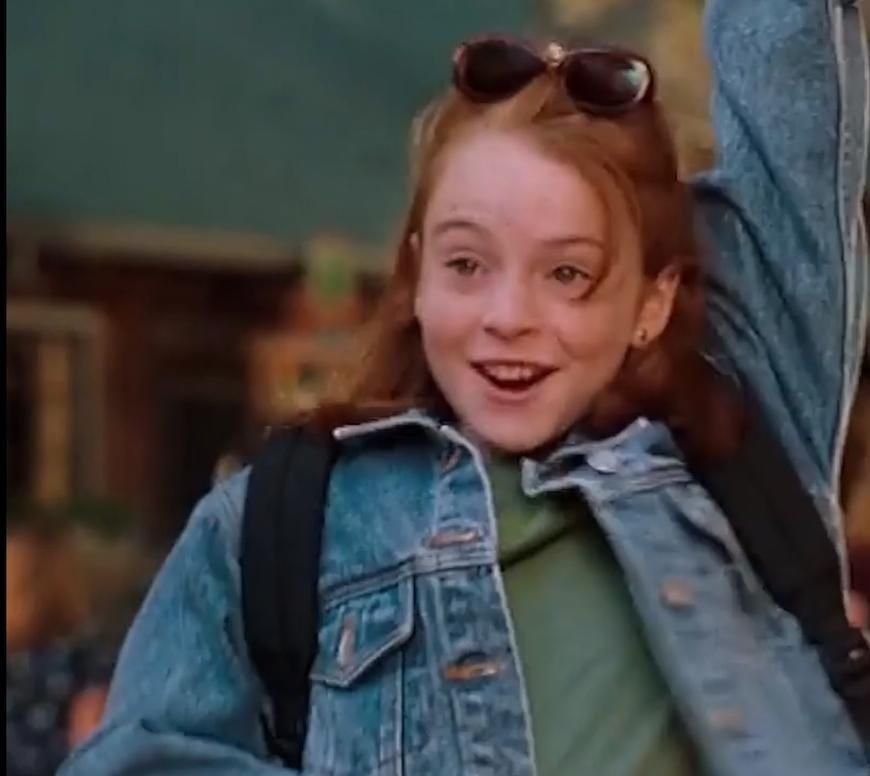
Few films capture the bittersweet innocence of childhood longing and the complex tapestry of family dynamics quite like The Parent Trap (1998). More than just a feel-good comedy, its enduring appeal reveals a profound understanding of universal human experiences, shaping not only the family-comedy genre but also how we talk about divorce, identity, and the unbreakable bonds that tie us together. Indeed, The Cultural Impact and Legacy of The Parent Trap (1998) Shaped Family narratives and continues to resonate deeply with audiences across generations.
What makes this remake, starring a then-12-year-old Lindsay Lohan, a perennial favorite? It's the masterful blend of humor, heart, and a surprisingly nuanced exploration of themes that many families navigate every day. It’s a film that allows us to laugh, shed a tear, and perhaps, even reflect on our own family stories.
At a Glance: Why The Parent Trap Still Matters
- A "Story Bridge" for Tough Conversations: The film offers a safe, engaging way for families to discuss divorce, identity, and reunification.
- Normalizes Blended Families: It portrays the complexities and potential for growth within modern family structures.
- Highlights Communication's Crucial Role: Underscores how a lack of open dialogue can affect children, and how healing begins with listening.
- Explores Identity Integration: The twin swap is a powerful metaphor for reclaiming missing parts of oneself and navigating new roles.
- Influenced a Genre: Set a blueprint for balancing comedic mischief with genuine emotional depth in family films.
- Enduring Pop Culture Status: From memes to nostalgia, its iconic scenes and characters remain etched in our collective consciousness.
A Tale of Two Halves: The Enduring Plot and Premise
At its core, The Parent Trap tells the story of identical twin girls, Annie and Hallie, separated at birth when their parents, Elizabeth and Nick, divorce. One twin, Annie, is raised by their mother in the sophisticated elegance of London. The other, Hallie, grows up with their father amidst the sunny vineyards of California. This foundational plot, as family therapist Sue English points out, immediately sets the stage for exploring themes of separation, identity, and the powerful pull of familial connection.
These two worlds collide unexpectedly at a summer camp, where the girls' striking resemblance initially breeds rivalry, then curiosity, and finally, a shocking revelation: they are sisters. Twins, in fact. Their discovery—a moment of pure cinematic magic—ignites a daring plan: switch places. Hallie will go to London to meet their mother, and Annie will head to California to meet their father. Their ultimate goal? To orchestrate a grand reunion, bringing their estranged parents back together and mending the family unit they never knew they missed.
Beyond the Switch: Deep Dive into Core Themes
The brilliance of The Parent Trap isn't just in its clever plot, but in how it uses that premise to explore profound human experiences. Kelsey Feldman, a licensed marriage and family therapist, pinpoints several core themes that elevate the film beyond simple entertainment.
The Echoes of Divorce: Unspoken Grief and Longing
For Hallie and Annie, their parents' divorce is an invisible wound. They grew up without each other, without a complete family unit, and without ever knowing half of their heritage. Feldman notes that children, much like the twins, often internalize divorce, expressing "unspoken grief through longing and awkwardness." Think of Hallie’s wistful glances at other campers with their moms, or Annie’s quiet intensity. Their lives, while loving, were shaped by an absence they couldn't articulate.
Clinical psychologist Dr. Jaci Lopez Witmer describes the parents' decision to split and each take a twin as creating an "invisible loss." While seemingly a self-protective measure for the adults, it denied the children a holistic sense of self and family. The film beautifully captures this void, making the twins' eventual discovery of each other a symbolic reclaiming of what was lost.
Forging Identity: Two Halves of a Whole
The twins' journey is a masterclass in identity integration. Annie, refined and detail-oriented, embodies her mother’s high standards. Hallie, spontaneous and bold, reflects her father’s laid-back California charm. When they meet, they are confronted not just with a sibling, but with a living, breathing mirror image of what their life could have been.
This forced role-switching pushes them to "reclaim missing parts of themselves and integrate their identities," as Feldman suggests. They navigate dual identities, new family members, and vastly different cultural and parenting styles. Annie has to learn Hallie’s slang and rebellious streak, while Hallie must master Annie’s poise and English accent. It’s a humorous yet poignant exploration of how environment shapes us, and how we can adapt and grow when faced with new realities.
The Primal Desire for Family Reunification
Beneath all the pranks and schemes, the twins' mission is driven by a fundamental, deeply human desire: to see their parents connected. The Parent Trap powerfully illustrates children's innate longing for their parents to be together, even years after a separation. This isn't just about a romantic reunion for Elizabeth and Nick; it's about repairing the fractured emotional boundaries that left their children incomplete.
Their elaborate plan, from teaching each other their respective lives to orchestrating a "chance" meeting, stems from a pure, heartfelt need to mend what was broken. It reminds us that for children, parents' separation is often felt as a hole that they instinctually try to fill.
The Unbreakable Sibling Bond
Before they were allies, Annie and Hallie were rivals, but their shared predicament quickly forged an "unshakeable bond." This profound sibling attachment, Feldman notes, is crucial for identity and stability during transitions. Their connection becomes their anchor. They protect each other, coach each other, and lean on each other through the emotional minefield of their scheme.
This sibling dynamic, moving from initial animosity to a deep, protective love, is a testament to the powerful, often complex, relationships between siblings. It’s a relationship built on shared experience, mutual understanding, and an unspoken loyalty that transcends their individual upbringings.
The Crucial Art of Communication and Conflict Resolution
The parents, Elizabeth and Nick, are portrayed as loving but deeply flawed individuals. Their initial divorce, and the subsequent separation of their children, stems directly from their inability to communicate effectively and resolve conflict. "Healing," Feldman wisely observes, "begins when they truly listen to each other."
Throughout the film, the twins subtly (and not-so-subtly) push their parents to confront the past. Nick’s "laissez-faire coping style" and Elizabeth’s "emotional repression" are coping mechanisms that ultimately prevented true closure. The film highlights how unresolved issues and poor communication between parents can have lasting emotional effects on children, even if those effects aren't immediately apparent.
Character Spotlight: More Than Just Plot Devices
One of the film's greatest strengths lies in its well-developed characters. They aren't just cogs in a comedic machine; they are complex individuals whose growth drives the emotional heart of the story.
Annie and Hallie: A Mirror to Ourselves
Lindsay Lohan’s dual performance as Annie and Hallie is nothing short of iconic. Annie, with her British accent and meticulous planning, brings a sense of refined intelligence. Hallie, with her Californian swagger and quick wit, offers boundless energy and charm. They perfectly embody opposing yet complementary strengths and weaknesses.
Their transformation from rivals to inseparable partners reflects a journey many of us take in life—discovering ourselves through interaction with others, and realizing that our perceived weaknesses can be strengths when balanced by another. Their distinct personalities make their switch believable and their bond all the more satisfying.
Elizabeth and Nick: The Complexities of Adult Love and Loss
Elizabeth James (Natasha Richardson) and Nick Parker (Dennis Quaid) are not villains, but rather products of their own choices and past hurts. Elizabeth, elegant and emotionally reserved, demonstrates a secure attachment with Annie but avoids relational conflict. Nick, grounded and emotionally available, struggles with conflict avoidance and a tendency to use a "laissez-faire coping style."
Their slow-burn reconciliation isn't just about falling back in love; it's about confronting the unresolved grief of their past marriage and learning to communicate. The twins' intervention acts as a catalyst, forcing them to address the pain they've long buried. Their story is a powerful reminder that love, even lost love, can be rekindled, but only through honesty and vulnerability.
The Unforgettable Antagonist: Meredith Blake
No good story is complete without a compelling antagonist, and in The Parent Trap, that role is deliciously filled by Meredith Blake in The Parent Trap. Nick's gold-digging fiancée, Meredith, is controlling, self-serving, and utterly devoid of maternal instinct. Her presence acts as a critical plot driver, intensifying the twins' alliance and making their mission to reunite their parents all the more urgent.
Meredith, though a caricature of selfishness, serves a vital purpose. She highlights the family's fractured emotional boundaries, forcing Elizabeth and Nick to see what they might lose if they don't fight for their true family. She represents the external threat that inadvertently unites the internal forces.
The "Parent Trap" as a Therapeutic Bridge: Insights for Modern Families
Beyond its entertainment value, The Parent Trap offers a unique opportunity for dialogue, acting as a "story bridge" for discussing sensitive topics within families.
Discussing Sensitive Topics with Curiosity
For parents, watching the film can be more than just a movie night; it can be a guided conversation. Allie Szczecinski, a special education expert, notes that the film provides a "safe way to explore themes like family separation, identity, and reconciliation."
Psychotherapist Andrea Wolk suggests using dialogue prompts to encourage open discussion:
- "That part was kind of sad—how do you think Hallie felt there?"
- "What would you do if you found out you had a secret twin?"
These questions can gently probe a child's understanding of emotions, family structures, and personal identity. Parents can also use the film to explain divorce in an age-appropriate way: "Sometimes grown-ups decide to live apart... because being separated can help them be healthier and kinder people. It doesn’t mean they love you any less." For blended families, a prompt like, "Meeting someone new in your family... can be exciting, confusing or even frustrating. What do you think makes someone feel welcome or unwanted in a family?" can open doors to crucial discussions.
The Pitfalls of Secrecy and the Importance of Co-Parenting
While the twin switch is a fun plot device, the underlying premise of parents keeping their children a secret carries a serious message. Child and adolescent therapist Alexandra Bennett emphasizes that prioritizing children's well-being over parental disagreements is paramount to fostering healthier family dynamics. She warns that keeping "significant secrets from children... can lead to mistrust toward caregivers, impacting healthy attachment styles."
The film, despite its comedic tone, implicitly champions the need for robust co-parenting even after divorce. Bennett stresses "consistent routines and expectations focused on the child's needs." Elizabeth and Nick, despite their initial failings, ultimately learn the importance of putting their children first, even if it means confronting uncomfortable truths.
Why The Parent Trap Still Resonates: Keys to Its Enduring Appeal
Decades after its release, The Parent Trap maintains a unique hold on our collective imagination. Its enduring popularity stems from a timeless blend of humor, heart, and a profound relatability.
Nostalgia and Intergenerational Connection
For many adults, The Parent Trap is a powerful portal to nostalgia, transporting viewers back to their own childhoods. It evokes memories of simpler times, first crushes, and the perennial desire for a happy ending. This emotional connection makes it a perfect "story bridge" for intergenerational viewing, allowing parents to share a piece of their past with their children. For adults, rewatching it can even serve as a form of self-care, a comforting return to a beloved narrative. Creating rituals like themed movie nights with era-specific snacks can maximize this nostalgic experience.
The Allure of Twins and the "Switch" Trope
The fascination with identical twins is universal. They represent a primal curiosity about identity, destiny, and the uncanny possibility of a doppelgänger. The "twin switch" premise specifically taps into this allure, engaging audiences with its inherent potential for humor, deception, and dramatic irony. When crafting twin-centric stories, focusing on small, specific details to make the switch believable—like Hallie learning Annie’s precise handshake or Annie mastering Hallie’s ear flick—is key to selling the premise. Beyond its surface appeal, the twin switch also serves as a potent metaphor for self-discovery, showing how stepping into another's shoes can help us understand our own.
The Feel-Good Formula
Ultimately, The Parent Trap is a masterclass in the "feel-good" film formula. It combines a relatable premise (separated twins scheming to reunite parents) with a generous helping of humor (mischievous antics at camp and home), a slow-burn romance between the estranged parents, and a supremely satisfying happy ending. This combination reinforces cherished values like family bonds, second chances, and the power of love to overcome obstacles. It leaves viewers with a sense of warmth and optimism, making it a film many return to time and again.
Shaping the Genre and Pop Culture: Its Lasting Legacy
The impact of The Parent Trap extends far beyond individual enjoyment, cementing its place as a significant cultural touchstone.
Influencing Family Comedies
The film significantly influenced the family-comedy genre, setting a high bar and a clear blueprint for balancing mischievous antics with genuine emotional depth. It proved that family films could be both uproariously funny and deeply moving, tackling complex themes without losing their lighthearted touch. The twin-swap trope, while not invented by The Parent Trap, certainly gained renewed prominence and became a staple in family entertainment, inspiring countless imitations and homages.
A Timeless Remake
The 1998 remake stands as a rare example of a film that successfully updates a beloved classic for a new generation while honoring the original's spirit. By modernizing the humor, casting, and aesthetic, it ensured the story remained relevant and engaging for contemporary audiences without sacrificing the charm and heart that made the 1961 version a hit. This ability to transcend time speaks volumes about the universality of its themes.
Normalizing Blended Families
Thematically, The Parent Trap plays a crucial role in normalizing blended families. It portrays divorce and remarriage not as failures, but as complex situations that, with effort and communication, can lead to new opportunities for growth and expanded definitions of family. By the end, the film suggests that a blended family, even one that came about through unconventional means, can be just as loving and functional as any other.
Pop Culture Iconography
From Hallie and Annie's elaborate handshake to Meredith Blake's infamous wilderness expulsion, The Parent Trap has permeated pop culture through countless memes, references, and iconic scenes. Its lines are quoted, its characters are mimicked, and its spirit is celebrated. This permeation ensures its longevity, keeping it alive in conversations, online content, and nostalgic revisits, cementing its status as an undeniable cultural touchstone for generations.
Beyond the Screen: Applying Lessons from The Parent Trap
The Parent Trap isn't just a movie to be watched; it's a story to be learned from. For families grappling with divorce, it offers a gentle reminder of the child's perspective and the enduring desire for connection. For parents, it underscores the profound importance of communication, not just between co-parents, but with children, fostering an environment of trust rather than secrecy.
The film's enduring message is one of hope: that with love, communication, and a little bit of mischievous determination, even the most fractured families can find their way back to wholeness. So, the next time you settle in for a viewing, allow yourself to be entertained, but also take a moment to reflect on the deeper truths it so cleverly illuminates about the incredible power and resilience of the human family.