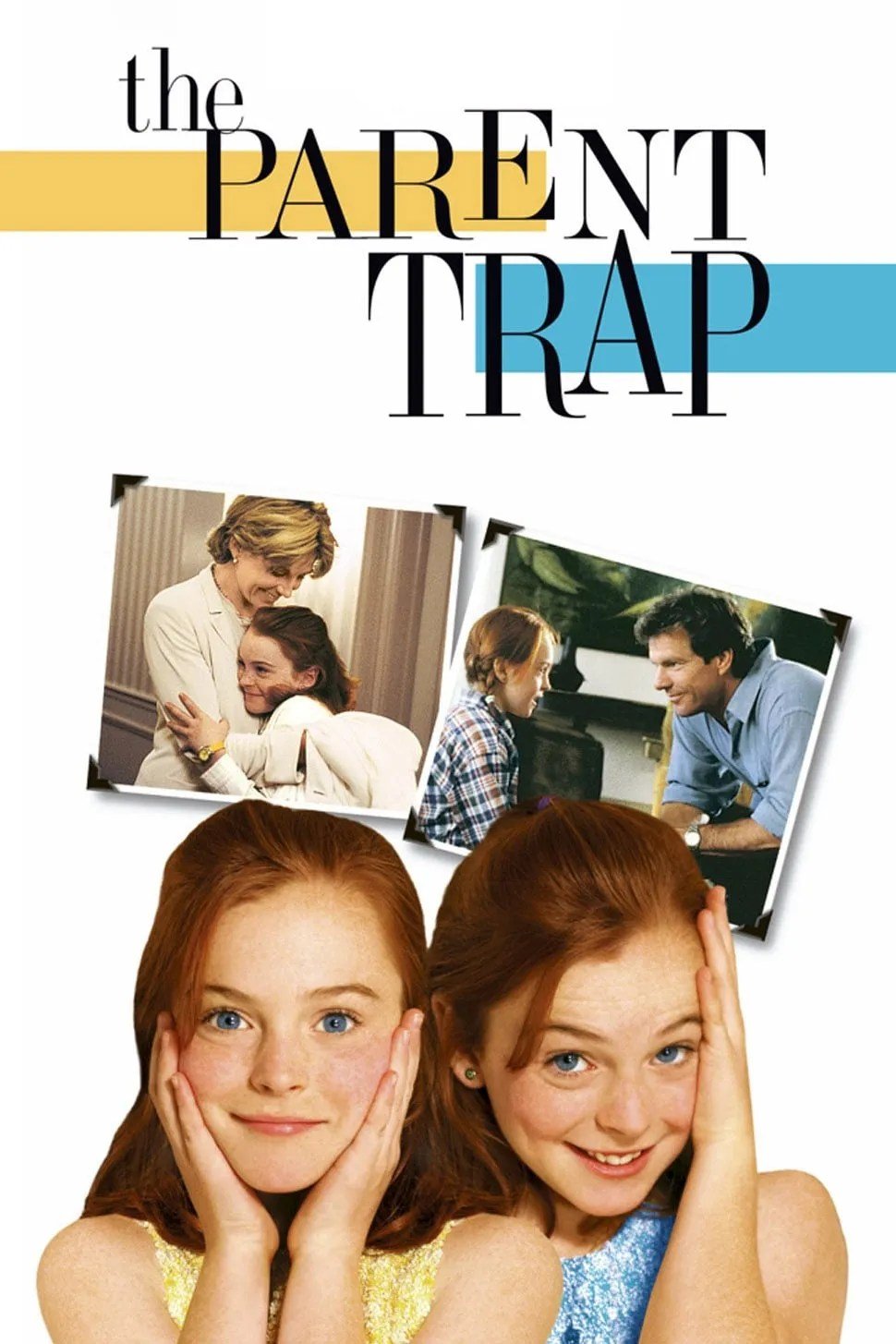
Twenty-seven years ago, a cinematic twin-swap caper captured hearts, launched a superstar, and etched itself into pop culture history. The Parent Trap (1998) isn't just a beloved remake; it's a masterclass in filmmaking magic, particularly when it comes to the complex "Parent Trap (1998) Movie Production and Behind-the-Scenes" wizardry that brought two Lindsay Lohans to life. From ingenious camera work to an entire set on a swivel, and the sheer dedication of its cast and crew, this film’s making is as fascinating as its on-screen antics.
Through exclusive interviews with 17 cast and crew members, we peel back the layers of a production that felt like a family, even as it pioneered groundbreaking visual effects. Get ready to discover the secrets behind the movie that still resonates with audiences of all ages, proving that some stories, and the effort behind them, truly stand the test of time.
At a Glance: Unpacking The Parent Trap's Filming Secrets
- Dual Role Magic: Lindsay Lohan, at age 11, pulled off a career-defining performance playing both Hallie Parker and Annie James, requiring sophisticated filmmaking techniques.
- Pioneering VFX: The film utilized a blend of old-school split-screens, cutting-edge motion control technology, rotating sets, and body doubles to create the illusion of two identical girls.
- The Legendary Pool Scene: The "titular trap" at the Ritz-Carlton in Marina del Rey was a four-day shoot filled with logistical challenges, dedicated performances (including Dennis Quaid crashing into the pool multiple times), and quick problem-solving.
- Nancy Meyers' Directorial Debut: This film marked Meyers' impressive first time in the director's chair, showcasing her signature blend of wit, warmth, and visual flair.
- On-Set Camaraderie: Cast and crew remember the production as a joyful, collaborative experience, fostering genuine chemistry that translated directly to the screen.
The Genesis of a Modern Classic: A Vision Takes Shape
When director Nancy Meyers, known for her sharp screenplays, decided to step behind the camera for the first time, she chose a formidable project: remaking the beloved 1961 Disney classic, The Parent Trap. Alongside producer Charles Shyer (who sadly passed away in December 2024), Meyers embarked on creating a film that would honor the original's charm while infusing it with contemporary humor and technological advancements. Their vision was clear: to craft a heartwarming, intelligent family film that avoided the pitfalls of sentimentality.
Meyers' attention to detail and her ability to evoke genuine emotion would become hallmarks of her directorial career, but it all started here. Charles Shyer, reflecting on the project, famously remarked, "If we get lucky, this could be one that lasts." His words proved prophetic, as the film has indeed "stood the test of time."
Lindsay Lohan's Double Act: The Core of the Illusion
At the heart of The Parent Trap's success is the astonishing dual performance by then-11-year-old Lindsay Lohan. Tasked with portraying two distinct characters, the sophisticated British Annie and the free-spirited Californian Hallie, Lohan's talent was undeniable. Her ability to switch accents, mannerisms, and emotional beats on a dime was crucial, but it was the seamless integration of visual effects that truly sold the illusion of twin sisters.
Casting director Ilene Starger fondly recalls producer Charles Shyer's visible joy around his own daughters, Annie and Hallie, a personal touch that subtly influenced the portrayal of Nick and Elizabeth's deep love for their cinematic children. Lohan herself considers Meyers and Shyer "like a second family," a testament to the supportive environment fostered on set.
Mastering the Twin Illusion: Techniques Revealed
Bringing two Lindsay Lohans to life on screen was a complex ballet of old-school ingenuity and cutting-edge technology. It required meticulous planning from director Nancy Meyers, Director of Photography Dean Cundey, and a dedicated visual effects team.
The Art of the Split-Screen
Both the 1961 and 1998 films relied heavily on split-screen technology. This technique involves a stationary camera filming the actor performing one twin's actions, then rewinding the film and filming the same actor performing the second twin's actions in the other half of the frame. In post-production, these two takes are seamlessly merged. This demands incredibly precise lighting, identical set dressing, and synchronized movements to ensure the final composite looks natural. A single misplaced shadow or a slight shift in a prop could ruin the illusion.
A Set That Swivels: The Rotating Wonder
For more dynamic scenes where the twins interacted closely, the 1998 production introduced a groundbreaking rotating set. Lindsay Lohan would film one twin's side of a conversation or interaction, and then the entire set, sometimes with furniture, would rotate 180 degrees. She would then change costumes, hair, and makeup to become the other twin and film her reaction. This ingenious method significantly minimized post-production work for complex shots and allowed Lohan to deliver more immediate, nuanced performances as she responded to her own previous take.
The Unsung Heroes: Body Doubles
When both Annie and Hallie needed to be seen simultaneously, especially in wider shots or during physical interactions, body doubles were indispensable. Carla, Lohan's primary double, matched her physical attributes closely. The magic here lay in costume design, makeup, and clever framing. The double's face was usually obscured from direct view, often positioned with her back to the camera, partially out of frame, or strategically hidden by props or another actor. Extensive rehearsals ensured synchronized movements and believable interactions, allowing Lohan to focus on her primary performance while the double provided the necessary visual presence.
The Precision of Motion Control
The film also leveraged motion control technology, a computerized camera system that can replicate camera movements identically time after time. This allowed filmmakers to shoot two separate passes of the same shot with extreme precision. For instance, a camera could pan across a room, first capturing Lohan as Annie, then repeat the exact same pan to capture her as Hallie. This was crucial for compositing, allowing the two performances to be perfectly aligned. Not just Lohan, but actors like Elaine Hendrix, who played the villainous Meredith Blake, and Polly Holliday (Marva Sr.), also utilized motion control, sometimes having to deliver the same lines and reactions repeatedly to ensure continuity with Lohan's pre-recorded performance. Seven on-site VFX technicians were tirelessly involved in the intricate compositing process, stitching together hundreds of these meticulously crafted shots. If you're curious to learn more about the actress behind the iconic antagonist, you can read All about Elaine Hendrix's Parent Trap role.
Eyeline Matching and Wipes: The Invisible Art
Ensuring the twins' gazes aligned perfectly during dialogue-heavy scenes was a massive undertaking known as eyeline matching. Lohan had to memorize both sides of conversations, often with a stand-in or director Nancy Meyers herself reading the other twin's lines off-camera. This allowed her to react authentically, even though she was often talking to an empty space.
Editors also employed subtle wipes—a smooth, sliding motion used to transition between the two halves of a split-screen—often disguised within natural scene movement, like a door opening or a character crossing the frame. These techniques, though invisible to most viewers, were vital to the film's realism.
The Legendary Pool Scene: A Whirlwind of Wet Challenges
One of the most memorable sequences, dubbed the "titular trap scene," takes place at the luxurious Ritz-Carlton in Marina del Rey. Filmed over four days in November, this scene, where Hallie (posing as Annie) pushes Meredith into the pool, was a logistical "whirlwind" for the cast and crew.
Dennis Quaid: The Ultimate Trooper
Dennis Quaid, playing the doting dad Nick Parker, was central to this scene, particularly his repeated dives into the pool to save Meredith. Quaid spent four days repeatedly crashing into the pool, often wearing one of six identical Armani suits. The suits, to the dismay of costume designer Penny Rose, repeatedly shrank due to the chlorine. Rose had the foresight to test the Ritz's pool water on fabric samples beforehand, but the shrinking was still a challenge to manage. Quaid was universally described as "very game," "wonderful to work with," and a "trooper," and he is often recognized most for this endearing dad role.
Crew Challenges and Quick Thinking
The pool scene's intricate timing, with multiple actors, special effects, and precise camera movements, made continuity incredibly difficult. Dean Cundey likened the challenge of shooting with motion control to "flying the plane while building it." Every splash, every reaction had to be perfectly repeatable.
Problem-solving was constant. Cundey noticed Lindsay Lohan squinting in the bright sun, so he offered a simple but effective trick: have her close her eyes towards the sun before turning away to open them, allowing them to adjust. This small detail ensured her expressions were clear and natural.
The Power of Improvisation
Nancy Meyers, known for her collaborative approach, encouraged improvisation on set, leading to several iconic moments in the pool scene. Simon Kunz's character, Martin, spontaneously snapping a photo of a dripping Dennis Quaid, and Quaid's ad-libbed line, "you're all wet," added genuine humor and spontaneity that delighted audiences.
Even today, the Marina del Rey Ritz-Carlton cherishes its role in the film's history. Guests frequently mention the movie, and the hotel's leadership even used the pool scene as inspiration for a recent renovation, ensuring its legacy lives on.
Beyond the Twins: Supporting Cast & On-Set Chemistry
While Lohan's performance was the linchpin, the film's success also hinges on its incredibly talented supporting cast, who brought warmth, humor, and heart to the story.
Natasha Richardson: A Radiant Mother
Natasha Richardson's portrayal of Elizabeth James, the sophisticated British mother, was both elegant and deeply moving. Her chemistry with Dennis Quaid felt authentic, making their reconciliation at the end all the more satisfying. Her grace and warmth provided the perfect counterpoint to Lohan's youthful exuberance.
The Unforgettable Antagonists
Elaine Hendrix, as the gold-digging Meredith Blake, delivered a deliciously villainous performance that earned her a place in the pantheon of iconic Disney antagonists. Her memorable lines and expressive reactions were a highlight, making her the perfect foil for the mischievous twins. For a deeper dive into Elaine Hendrix’s memorable role in The Parent Trap, check out our feature on her career-defining turn.
Polly Holliday, playing the formidable camp counselor Marva Kulp Sr., added another layer of comedic relief, often paired with her equally exasperated daughter, Marva Kulp Jr.
Simon Kunz & Lisa Ann Walter: A Charming Duo
The burgeoning romance between Chessy (Lisa Ann Walter), the Parker family's warm and protective housekeeper, and Martin (Simon Kunz), the James family's dapper butler, provided delightful secondary storylines. Kunz initially hesitated to wear a Speedo in a Disney movie, but Meyers insisted, leading to a truly memorable moment that he is still often recognized for today. Kunz and Walter developed strong on-set chemistry, enhancing their characters' dynamic and contributing to the film's overall charm and humor. Their scenes offered a sweet and funny counterpoint to the main twin-swapping plot, creating a more rounded and enjoyable viewing experience for everyone.
A Lasting Legacy: More Than Just a Remake
The Parent Trap isn't just a remake; it's a film that has cultivated its own fervent fanbase and established itself as a beloved classic. Nancy Meyers' directorial debut was widely praised for its superb execution, appealing to all ages and genders with its timeless themes of family, love, and childhood mischief.
The meticulous production, the groundbreaking visual effects that brought Annie and Hallie to life, and the dedicated performances from a stellar cast have ensured its place in cinematic history. The film’s continued popularity is a testament to its enduring quality and the genuine passion poured into its creation by everyone involved. Decades later, its iconic scenes and heartwarming story continue to charm new generations, solidifying its status as a quintessential family film. The artistry and ingenuity behind the making of The Parent Trap continues to inspire filmmakers and delight audiences worldwide.